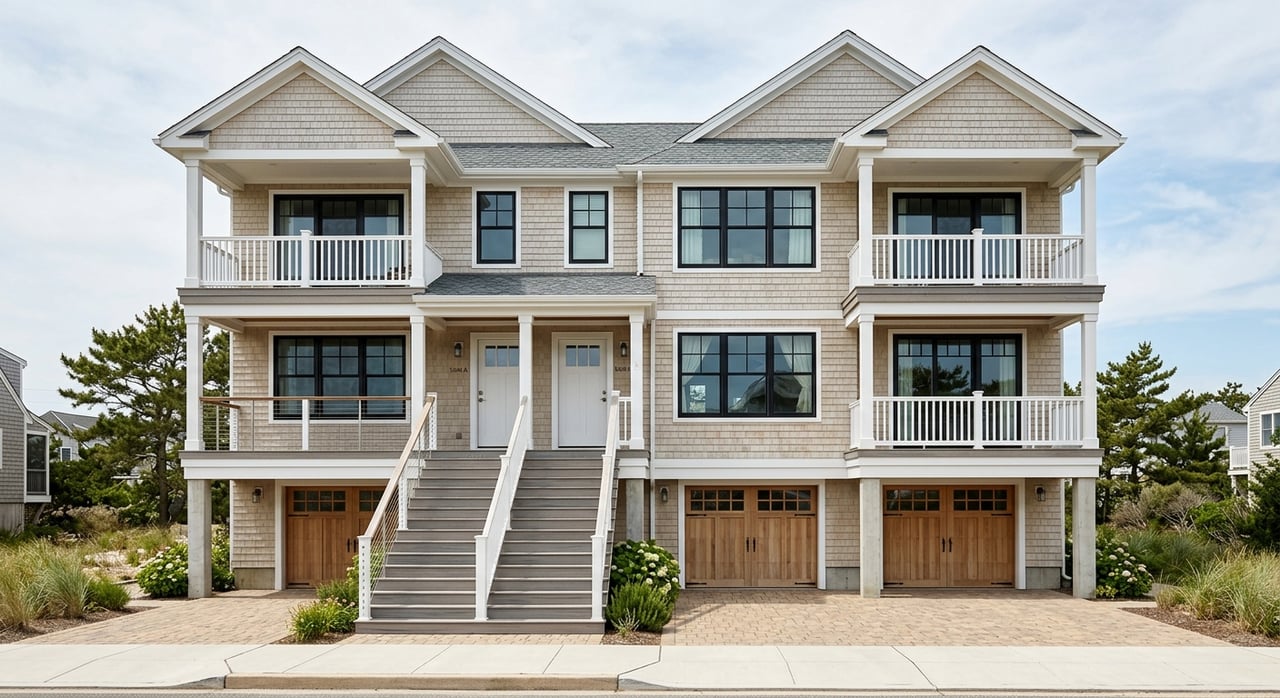
Condo Or Townhouse In Sea Isle City: How To Decide
June 25, 2026
June 25, 2026
Buying at the shore sounds simple until you realize two homes that look almost identical can come with very different rules, costs, and responsibilities. If you are deciding between a condo and a townhouse in Sea Isle City, you are likely balancing lifestyle, convenience, rental plans, and long-term value all at once. The good news is that a smart choice usually becomes much clearer when you know what to compare. Let’s dive in.
In Sea Isle City, the most important difference between a condo and a townhouse is not always how the property looks from the street. It is how the property is legally owned and managed. That legal structure can affect maintenance, fees, insurance, and rental flexibility.
A condo is an ownership form where you own your individual unit and share ownership of common areas and facilities with other owners. In many condo communities, an association handles exterior maintenance and management, and owners pay recurring fees to support those shared responsibilities. That setup can be appealing if you want a more hands-off shore property.
A townhouse usually refers to a multi-level home that may share one or two walls and often has a private entrance and some outdoor space. In New Jersey, some townhouses are owned fee simple, which means the unit is owned individually rather than under a condominium structure. That can create a more house-like ownership experience, but the actual documents still matter more than the label.
In Sea Isle City, a townhouse-style property can still be part of a condominium association. On the other hand, a townhouse community may be fee simple, with different maintenance obligations and association authority. That is why you should not rely only on an MLS description or the exterior design.
Before you move forward, review the deed, declaration or master deed, bylaws, and HOA rules. Those documents help clarify who maintains the roof, siding, windows, doors, decks, and common spaces. They also help you understand what control you have and what rules come with ownership.
The right choice often starts with how you want to use the property. If you plan to visit on weekends, lock up easily, and spend less time managing the exterior, a condo may fit your lifestyle well. Condo fees often cover exterior maintenance and common areas, and in some communities they may also include services such as water, sewer, trash, or amenities.
If you want a home that feels more private and more like a traditional residence, a townhouse may be a better fit. Townhouses are often built vertically, usually include a private entrance, and may offer a private deck or patio. That layout can feel especially appealing if you want separate living and sleeping spaces or a more residential floor plan.
Your time horizon matters too. For intermittent use or a second home that you want to keep simple, condo living may offer more convenience. For a longer hold, or if you want more direct control over the property itself, a townhouse may feel like the stronger match.
One of the biggest decision points is what you are really paying for each month or year. Condo fees are not just another line item. They often fund repairs, exterior upkeep, common-area maintenance, and reserves for larger future expenses.
That can be helpful, especially at the shore where exterior wear can be more noticeable over time. But it also means you need to ask smart questions before you buy. A lower-maintenance setup only works well if the association is organized, transparent, and financially prepared.
Before touring or making an offer, ask:
In New Jersey, common areas can include more than pools or parking lots. Depending on the community documents, they may also include hallways, basements, siding, windows, doors, and roofs. That is why two properties with similar layouts can have very different ownership costs over time.
Association governance is not just background paperwork. It can shape your experience as an owner. New Jersey’s Association Regulation Initiative applies to planned real estate developments, including condominiums and townhouses with owner-controlled associations, and offers guidance related to access to financial records, meetings, and dispute resolution.
For you as a buyer, this means the association should be part of your due diligence from the start. A well-run association can make ownership smoother and more predictable. A poorly managed one can create stress, surprise expenses, or limitations that do not match your goals.
If you are considering a fee-simple townhouse community, ask who is responsible for residential building maintenance and how that responsibility is documented. In New Jersey, that distinction can affect how the property and community are regulated. It also affects what maintenance burden may fall directly on you.
If your Sea Isle City purchase may double as a vacation property and rental asset, this is one of the most important sections to understand. Rental potential is not just about whether guests would enjoy the home. It depends on city rules, association rules, and sometimes financing considerations.
Sea Isle City requires a rental permit before anyone rents or offers to rent a dwelling unit. The permit must be renewed annually, displayed, and supported by the required application and inspection or self-inspection documentation. The city also enforces occupancy standards, so your intended rental use needs to match both the code and the property layout.
For second-home owners, there is another key detail. Sea Isle City requires the owner to designate a contact person or a realtor or real estate agency for code notices. If the property is privately rented, that contact person must be a Cape May County resident during the lease term. If rented through a realtor or agency, that realtor or agency can serve as the contact person.
Some condo communities may create extra rental-related friction even if a property can legally be rented under city rules. Project rules may limit lease terms or rental frequency. In addition, condo projects can face lender scrutiny if the project operates like a hotel or motel or is heavily tied to daily or short-term rentals.
Lenders may also evaluate a condo community’s physical condition, financial stability, structural debts, lawsuits, inspection status, evacuation orders, and master insurance coverage. For a rental-minded buyer, that means a property can look great on paper but still create challenges during financing or ownership. Reviewing the association documents early can save time and help you avoid a mismatch.
If you are still weighing both options, this simple framework can help.
Neither option is automatically better in Sea Isle City. The better choice is the one that matches how you plan to use the home, how involved you want to be with maintenance, and how comfortable you are with fees, association rules, and rental limitations.
Before you tour condos or townhouses in Sea Isle City, keep this checklist handy:
A polished coastal property decision usually comes down to details that are easy to miss at first glance. If you want help comparing Sea Isle City condos and townhouses in a way that fits your lifestyle, second-home goals, or rental plans, Teresa Campama offers concierge-style guidance tailored to the Jersey Shore.
Stay up to date on the latest real estate trends.


Get assistance in determining current property value, crafting a competitive offer, writing and negotiating a contract, and much more. Contact me today.