Cape May Historic Home Styles Every Buyer Should Know
June 4, 2026
June 4, 2026
If you have ever fallen for a Cape May home in a single glance, you are not alone. The city’s historic streets are full of houses with porches, towers, shingles, brackets, and rooflines that can feel equal parts charming and hard to decode. If you are thinking about buying here, understanding the main historic home styles can help you match beauty with practicality, and that is where this guide comes in. Let’s dive in.
Cape May describes itself as a National Historic Landmark because of its remarkable concentration of Victorian buildings. The city also calls itself a living document of architectural styles in a seaside resort, which is a helpful way to think about the local housing stock.
There is one important detail buyers should know early. According to the National Register nomination for the district, many Cape May homes were created by carpenter-builders using pattern books, so they are often hybrids rather than pure textbook examples of one style. That means a listing may call a house Queen Anne while a tour guide highlights Shingle Style features, and both can be reasonable.
In Cape May, style is not just about curb appeal. A home’s architecture often affects exterior upkeep, renovation planning, and how closely the property may be reviewed under local preservation rules.
The city’s Historic Preservation Commission reviews many exterior changes, including repairs, alterations, demolition, and important landscape changes. The city’s Historic Design Standards apply to structures in the Historic District and to designated sites on the zoning map, so buyers should think about style and preservation together.
Before you get too attached to gingerbread trim or a wide porch, request a property report. Cape May says this report is available for most historic-district properties and includes a picture, a description, and the property’s contributing or non-contributing status.
That status matters. The city notes that contributing properties face stricter standards to maintain historic integrity, so this is one of the first due diligence steps worth taking when you are comparing homes.
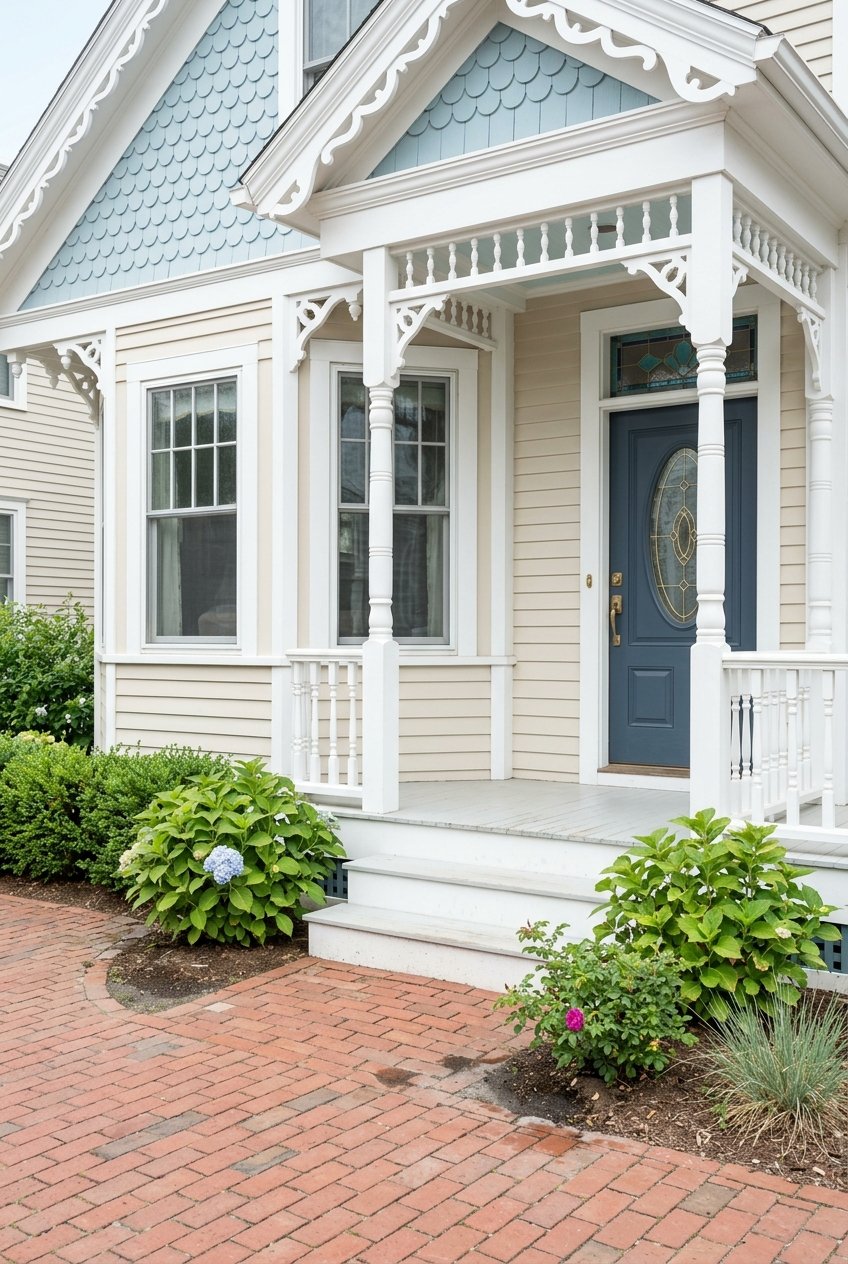
These homes often have a strong vertical feel and a more storybook look. Common features include steep gables, asymmetrical shapes, decorative wood trim, square towers, and a small projecting wing.
If you love character, this style can be especially appealing. It also tends to bring more detailed trim and more visual complexity, which can mean more exterior elements to maintain over time.
Italianate homes usually feel tall, elegant, and a bit formal. The style is known for low overhanging roofs, decorative brackets at the eaves, tall narrow windows, and sometimes towers, cupolas, or projecting porches.
For buyers, Italianate homes can offer a classic historic presence without some of the extra texture seen in later Victorian styles. Still, brackets, tall windows, and porch details are all features you will want to inspect carefully.
Second Empire is often the easiest style to identify once you know the signature feature: the mansard roof. You may also see dormers, bracketed cornices, and prominent porches.
These homes have a dramatic look that many buyers instantly recognize as iconic Cape May. The flip side is that dormers, roof transitions, and ornate trim can create more areas that need regular attention.
Stick Style sits in a transitional Victorian space and is one of Cape May’s standout architectural forms. The Emlen Physick Estate is the best-known public example, with ornate chimneys, an arcaded porch, dormers, and a complex roof form.
For a buyer, this style often means rich detail and a memorable exterior. It can also mean a more layered maintenance picture because complex rooflines and decorative wood features need close care.
Queen Anne homes are some of the most visually dynamic in Cape May. You will often see asymmetry, varied textures, towers or turrets, wrap-around porches, decorative shingles, and spindlework.
This is the style many buyers picture when they imagine a grand Victorian beach house. If that is your dream, be prepared to balance the home’s charm with the upkeep that can come with porches, trim, shingles, and ornamental details.
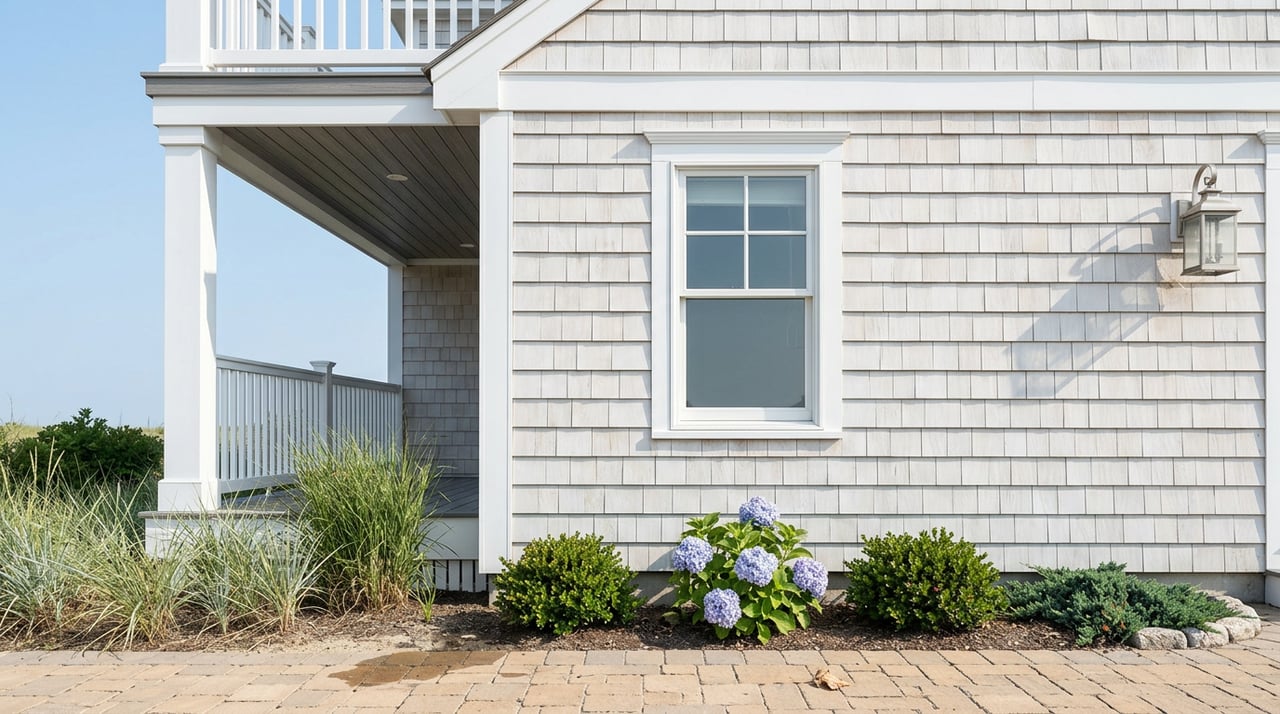
Shingle Style homes often feel softer and more streamlined than earlier Victorian forms. Cape May’s design standards describe them as asymmetrical, wide-porched, and shingle-clad, with ornament used more sparingly.
These homes can be a great fit if you want historic appeal with a calmer exterior look. Towers and bays may still appear, but they are generally less pronounced than in more ornate Victorian styles.
Colonial Revival homes usually read as more formal and balanced. In Cape May, they are generally more symmetrical, with balanced windows and a center door, and they often feel more restrained than nearby Victorian cottages.
If you appreciate historic surroundings but prefer a simpler look, this style may be worth a close look. The cleaner lines can feel easier to live with visually while still offering classic character.
Bungalow forms brought a simpler coastal vocabulary into Cape May in the early 20th century. The city’s standards describe them as low, horizontal, porch-forward homes with wide eaves, simple massing, and a strong emphasis on the roofline and porch.
For many buyers, bungalows offer an appealing middle ground. They still carry historic charm, but their lower, more straightforward forms may feel more manageable from an exterior-maintenance standpoint.
The right style is not always the most famous one. It is the one that lines up with how you want to use the home, how much exterior care you are comfortable taking on, and whether you plan to make changes over time.
Here is a simple way to think about it:
If you are buying a second home or vacation property, this question becomes even more important. A house that looks magical on a weekend tour may ask more of you season after season if it has extensive trim, multiple dormers, or layered porch details.
Cape May’s preservation standards strongly favor repair over replacement. The city says original or historic windows should be preserved when possible, notes that old-growth wood windows can last more than a century with routine maintenance, and states that replacement windows made from vinyl, aluminum, fiberglass, or similar composite materials are generally not appropriate in visible locations.
The standards also favor same-for-same replacement, such as replacing a cedar shingle roof with another cedar shingle roof. For buyers, that means maintenance decisions may be more specific here than they would be in a non-historic setting.
In practical terms, the more ornate the exterior, the more recurring care you should expect. Painting trim, maintaining porches, repairing decorative woodwork, and monitoring roof intersections, dormers, towers, and window details are all part of the picture many buyers should plan for.
Historic oversight in Cape May is important, but it is not all-encompassing. The city makes clear that the Historic Preservation Commission does not regulate interior renovations.
That distinction can be reassuring if you want historic charm outside and more flexibility inside. You can often think of these homes as exterior-sensitive properties rather than fully controlled museum pieces.
A beautiful showing is only the beginning with a historic home. A careful buying process should help you understand both the architectural style and the property’s specific condition.
A few smart steps include:
Cape May MAC’s house tours, walking tours, and trolley tours can also be useful visual references while you are shopping. They give you a better feel for the difference between styles, which can make listing photos and showings easier to interpret.
Cape May’s historic homes are special because they offer more than square footage. They give you a piece of the city’s architectural story, whether that comes in the form of a towered Queen Anne, a mansard-roofed Second Empire, or a quieter shingled cottage near the shore.
The best purchase usually comes from knowing what you are looking at, what level of upkeep fits your goals, and how local preservation standards may shape future decisions. If you want a thoughtful, concierge-level approach to finding the right Cape May property, Teresa Campama can help you navigate the details with confidence.
Stay up to date on the latest real estate trends.
Get assistance in determining current property value, crafting a competitive offer, writing and negotiating a contract, and much more. Contact me today.